
Eczema Treatment in Cork
Personalised eczema care for itchy, irritated skin
Fed up with itchy, irritated skin that just won't settle? Discover our GP-led eczema treatment in Cork tailored to your skin's needs.
Book an Appointment
healing
Relieve Itching and Irritation
Get help with managing itching, irritation and everyday discomfort.
health_and_safety
Manage Flare-Ups
Identify potential triggers and build better habits to help manage eczema flare-ups.
sentiment_satisfied_alt
Improve Daily Comfort
Better symptom management can make everyday activities more comfortable.
Meet our dermatology lead
Dr. Américo will assess your eczema, discuss your symptoms and concerns, and develop a treatment plan tailored to you.
During your consultation, you’ll explore suitable treatment options and practical ways to manage your eczema, helping you work towards:
Calmer, Less Irritated Skin – Suitable eczema care may help soothe irritation and reduce the appearance of redness.
Better Skin Hydration – Consistent moisturising routines can support your skin’s natural barrier and help relieve dryness.
A Personalised Skincare Routine – Understand which products and daily habits may be best suited to your skin and symptoms.
More Restful Nights – Manage itching to reduce nighttime discomfort and minimise disruption to your sleep.
Greater Confidence in Your Skin – Get guidance on managing redness, dryness and irritation so you can feel more comfortable in your skin.

Dr. Américo Ortiz de Zevallos
How it all works…
02
Attend clinic in person
Meet the doctor for a physical consult to assess your eczema.
03
Discuss treatment options
Consider eczema treatments based on your symptoms and history.
04
Receive treatment plan
Following your consult, we’ll explain the recommended next steps.
Eczema Treatment FAQs
-
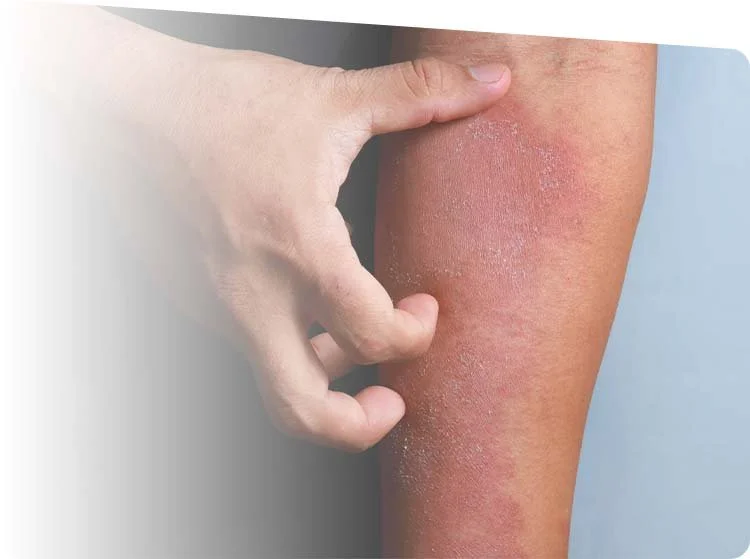
Eczema is a skin condition that can cause dryness, itching, redness, irritation and, in some cases, cracked skin. Our approach to eczema treatment focuses on understanding your concerns and discussing suitable ways to manage symptoms. The right approach depends on your skin, the type of eczema and its severity.
-
There is currently no cure for atopic eczema, but appropriate treatment can help manage symptoms and reduce the impact of flare-ups. We focus on realistic goals, suitable skin care and practical advice to help you manage your condition over time. Results can vary from person to person.
-
We begin by discussing your symptoms, how long you have experienced them, which areas are affected and what treatments or skin care products you have already tried. We will explain suitable next steps and whether our service is appropriate for your needs.
-
Eczema management may involve moisturising treatments called emollients, soap substitutes, prescribed topical medicines and, for some people, specialist treatments. The most appropriate option depends on the type and severity of your eczema.
-
The time needed to see an improvement depends on the severity of your eczema, the affected area and the treatment being used. Some symptoms may improve within days with appropriate treatment, while persistent or more severe eczema can require longer-term management. We encourage realistic expectations and appropriate follow-up if your symptoms do not improve.
-
Appropriate eczema management can help reduce the frequency or severity of flare-ups for some people, but it cannot guarantee that they will never return. We can discuss skin care habits, possible triggers and suitable ongoing management to help you care for your skin between flare-ups.
-
Eczema triggers vary from person to person. Possible triggers include harsh soaps, detergents, fragranced products, heat, sweating and certain fabrics. We can help you consider your existing skin care routine and possible irritants.
-
Yes. Eczema can affect different parts of the body, including the face, hands, arms, legs and skin folds. The most suitable treatment depends partly on the affected area, as some skin is more sensitive than others. Tell us which areas concern you so we can discuss appropriate next steps.
-
Treatment suitability depends on your skin, the products used and your individual health needs. Some products can cause irritation or stinging, particularly on sensitive or inflamed skin. We encourage you to tell us about known sensitivities, allergies and current treatments before proceeding. Always use prescribed medicines as directed and seek medical advice if a product causes a persistent or worsening reaction.
-
No. Eczema itself is not contagious, so you cannot catch it through ordinary contact with someone who has the condition. However, eczema-damaged skin can sometimes develop an infection. If your skin becomes increasingly painful, starts weeping or develops crusting, seek medical advice promptly.
-
Children can develop eczema, and their treatment needs may differ from those of adults. Age, symptoms and the affected areas all influence which options are suitable. Please tell us your child's age and concerns when enquiring so we can establish which support is appropriate. A GP should assess children with severe, worsening or uncertain skin symptoms.
-
If your eczema is not improving, keeps returning or is becoming more uncomfortable, it may be time to review your treatment. We recommend discussing the products and medicines you have tried with an appropriate healthcare professional. Our dermatology lead can reassess the diagnosis, check for complications and advise whether a different approach is needed.
-
You should seek prompt medical advice if your eczema deteriorates quickly, becomes increasingly painful, develops pus or significant crusting, or starts weeping more than usual. If you also develop a fever or feel unwell, seek urgent medical assessment. These symptoms can indicate an infection or another problem that requires clinical attention.
-
You can book an Eczema Treatment Consult through our website quickly and easily.