
Psoriasis Treatment in Cork
Tailored psoriasis support to manage itching, scaling and flare-ups
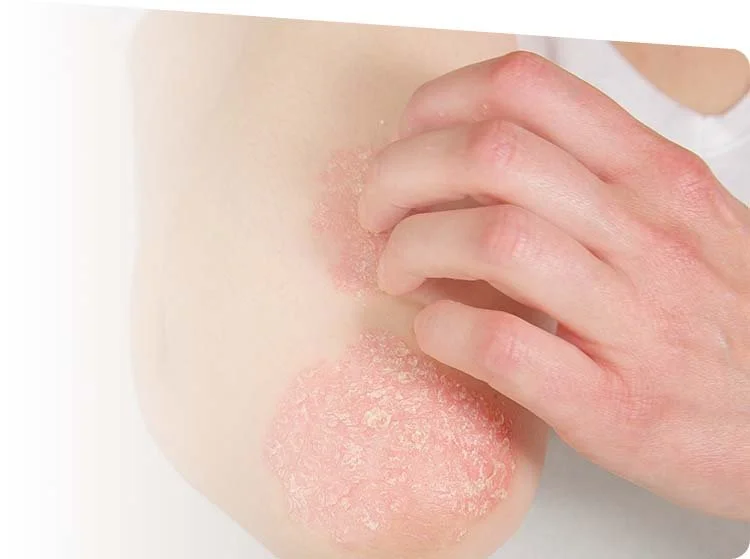
Are itchy, flaky psoriasis patches and recurring flare-ups affecting your comfort and confidence?
Discover our GP-led psoriasis treatment in Cork and explore options suited to your skin.
Book an Appointment
healing
Relieve Itching and Irritation
Soothe itchy skin and reduce irritation for greater everyday comfort.
face_retouching_natural
Reduce Visible Scaling & Redness
Help minimise visible patches and support healthier-looking skin.
health_and_safety
Manage Psoriasis Flare-Ups
Control symptoms and manage recurring flare-ups more effectively.
Meet our dermatology lead
Dr. Américo will assess your psoriasis, discuss your symptoms and develop a personalised treatment plan based on your individual needs.
During your consultation, you’ll also learn how suitable treatment options may help you:
Improve Skin Comfort – Reduce dryness and discomfort to make everyday activities and sleep more comfortable.
Feel More Confident in Your Skin – Manage visible symptoms and feel more comfortable in your day-to-day life.
Explore Personalised Treatment Options – Understand which treatments may be most suitable for your skin, symptoms and needs.

Dr. Américo Ortiz de Zevallos
How it all works…
01
Book Psoriasis Treatment Consult
Schedule your Psoriasis Treatment Consult here quickly and easily.
02
Attend clinic in person
Meet the doctor for a physical consult to assess your psoriasis.
03
Discuss treatment options
Consider psoriasis treatments based on your symptoms and history.
04
Receive treatment plan
Following your consult, we’ll explain the recommended next steps.
Psoriasis Treatment FAQs
-
Psoriasis is a long-term inflammatory skin condition that can cause dry, itchy, sore and scaly patches. It is associated with the immune system and can affect different areas of the body, including the scalp, elbows, knees and nails.
Although psoriasis cannot currently be cured, appropriate treatment can help manage symptoms and improve skin comfort. At our clinic, we understand that every person's experience is different, so we encourage you to discuss your symptoms and treatment needs with us.
-
Psoriasis treatment aims to help manage symptoms such as itching, scaling, redness, dryness and discomfort. Depending on the treatment selected, it may also help control flare-ups and improve your day-to-day comfort.
We recognise that psoriasis can affect more than your skin. During your consultation, we will discuss your concerns and the options relevant to your needs, helping you understand the next steps available to you.
-
There is currently no permanent cure for psoriasis. However, many people can manage their symptoms with appropriate treatment and may experience periods when their skin improves significantly.
Psoriasis can return or flare up even after improvement, which is why ongoing management may be necessary. We aim to help you understand realistic treatment goals and the importance of following appropriate professional advice.
-
Psoriasis treatments vary according to the type of psoriasis, its severity, the areas affected and your medical history. Options can include moisturising treatments, prescription creams and ointments, phototherapy and systemic medicines prescribed by an appropriate clinician.
Not every option is suitable for every person, and not every provider offers all treatment types. We will explain the options available through our service at your consult.
-
The most appropriate approach depends on your symptoms, where psoriasis appears, how much it affects your daily life and whether you have tried other treatments.
We encourage you to tell us about any previous treatment, changes in your skin and concerns you may have. This information helps guide the discussion about suitable options and whether further medical assessment is needed.
-
The time needed to notice an improvement varies according to the treatment and the individual. Some topical treatments may take several weeks to show a noticeable effect; the HSE notes that this can take up to six weeks for certain creams and ointments.
We encourage you to follow the instructions provided for your treatment and seek professional advice if your symptoms do not improve, become worse or you experience uncomfortable side effects.
-
Yes. Psoriasis is a long-term condition, and symptoms can improve and worsen over time. Even after a period of clearer skin, another flare-up may occur.
Our approach focuses on realistic expectations and helping you understand how to manage changes in your symptoms. Following your recommended treatment plan and seeking a review when necessary can help you address recurring problems.
-
No. Psoriasis is not contagious, so it cannot be passed to another person through touching, close contact or sharing everyday spaces.
We understand that visible skin conditions can sometimes cause uncertainty or embarrassment. We want you to feel comfortable discussing your skin concerns and learning more about appropriate care without fear of judgement.
-
Yes. Psoriasis can affect the scalp and may also cause changes to the fingernails or toenails. Scalp symptoms can include scaling and itching, while nail psoriasis may cause pitting, discolouration or changes in nail thickness.
Treatment depends on the area affected and the symptoms present. We can discuss the concerns relevant to your situation and the appropriate next steps at your consult.
-
Triggers vary from person to person. Potential triggers include stress, certain infections, skin injuries, smoking, alcohol and some medicines.
Although you may not be able to prevent every flare-up, recognising patterns in your symptoms can be useful. We encourage you to share any changes you have noticed and seek professional guidance before making significant changes to prescribed treatment.
-
Some psoriasis treatments may cause side effects, such as irritation or dryness, while prescription medicines can carry additional risks that depend on the medicine used.
The potential benefits and risks should be considered before starting treatment. We encourage you to follow the relevant instructions and seek advice if you experience unexpected symptoms or feel your treatment is not suitable for you. Never change prescribed medication without appropriate medical guidance.
-
If your symptoms persist, worsen or return frequently, it may be time to review your treatment. Sometimes a different approach or additional medical assessment is needed.
We encourage you to tell us about any concerns with your current care so that appropriate next steps can be discussed.
-
Yes. Some people with psoriasis develop psoriatic arthritis, an inflammatory condition that affects the joints. Symptoms can include recurring joint pain, stiffness and swelling.
If you experience these symptoms alongside psoriasis, please contact us for medical assessment. Early recognition of joint symptoms is important, and skin treatment alone may not address the underlying joint problem.
-
Before your appointment, consider making a note of your symptoms, when they began, which areas are affected and anything you have noticed that makes them better or worse.
It is also helpful to bring details of medicines, creams and other treatments you have tried, including any side effects. We want you to have the opportunity to discuss your concerns and understand the options that may be appropriate for you.
-
Speak with a GP if you think you may have psoriasis, your current treatment is not working, you are experiencing side effects or you develop recurring joint pain, stiffness or swelling.
Seek urgent medical attention if your skin develops rapidly worsening widespread redness, pus-filled bumps or other severe symptoms, particularly alongside fever or feeling acutely unwell. These signs may indicate a serious problem that needs prompt assessment.
-
If you are looking for psoriasis treatment in Cork, we invite you to book a Psoriasis Treatment Consult on our website, which is quick and easy to do.
We understand that living with persistent itching, scaling or recurring flare-ups can be frustrating. Our aim is to help you explore appropriate next steps, understand your options and make an informed decision about your skin care.